
Rotary Broaching Tools
Precision rotary broaching tools for Swiss-type lathes and CNC lathes, designed for producing hexagonal, Torx, square and custom internal profiles.
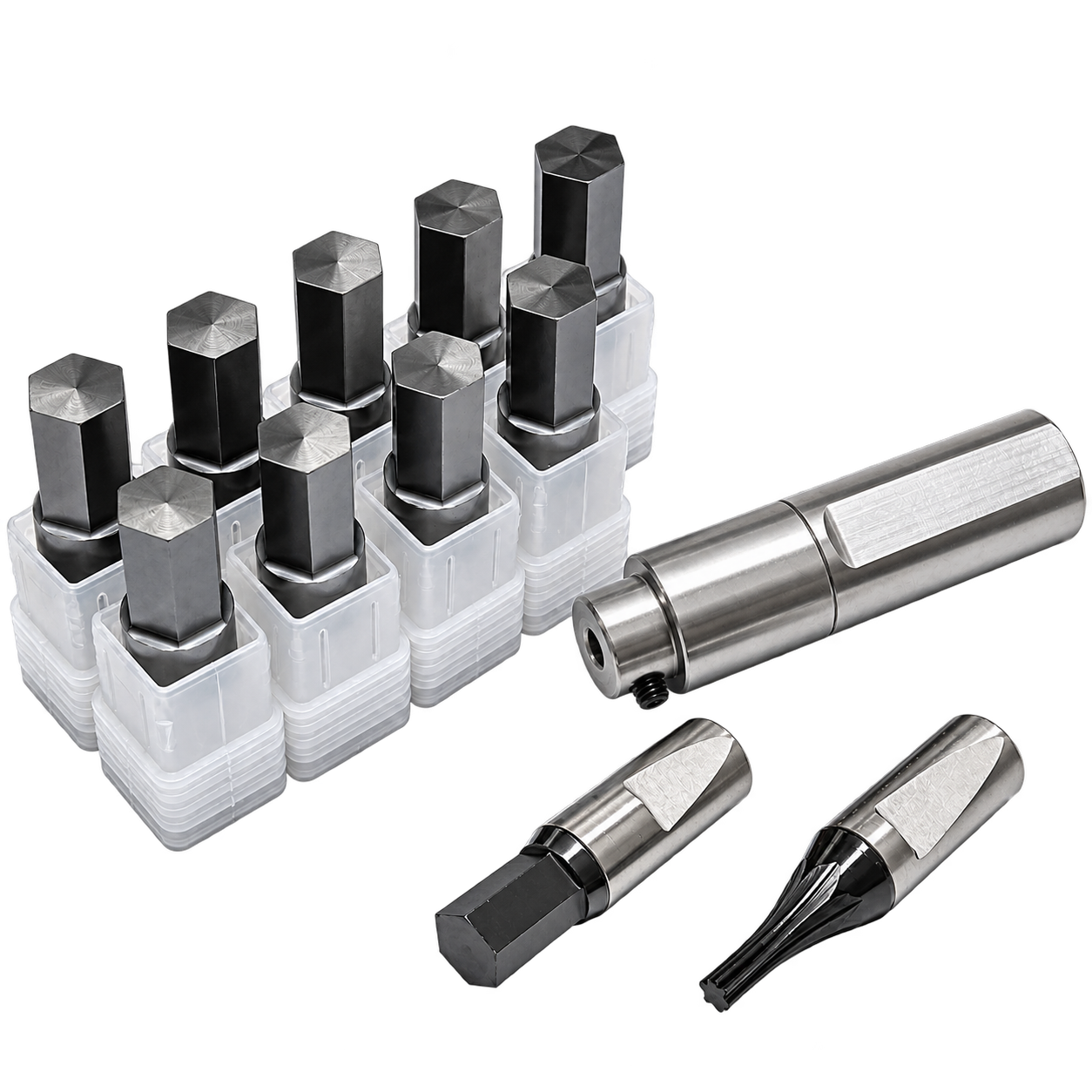
How Rotary Broaching Works
How does rotary broaching work?
Rotary broaching uses a broach held at a slight angle to the workpiece centerline. This creates a controlled wobbling action, allowing the cutting edges to progressively form the internal profile as the tool feeds into the workpiece.
Product Range
Explore Rotary Broaching Tools
Choose a standard internal profile or send us your drawing for a custom form. Each page includes dimensions, material information and quotation details.
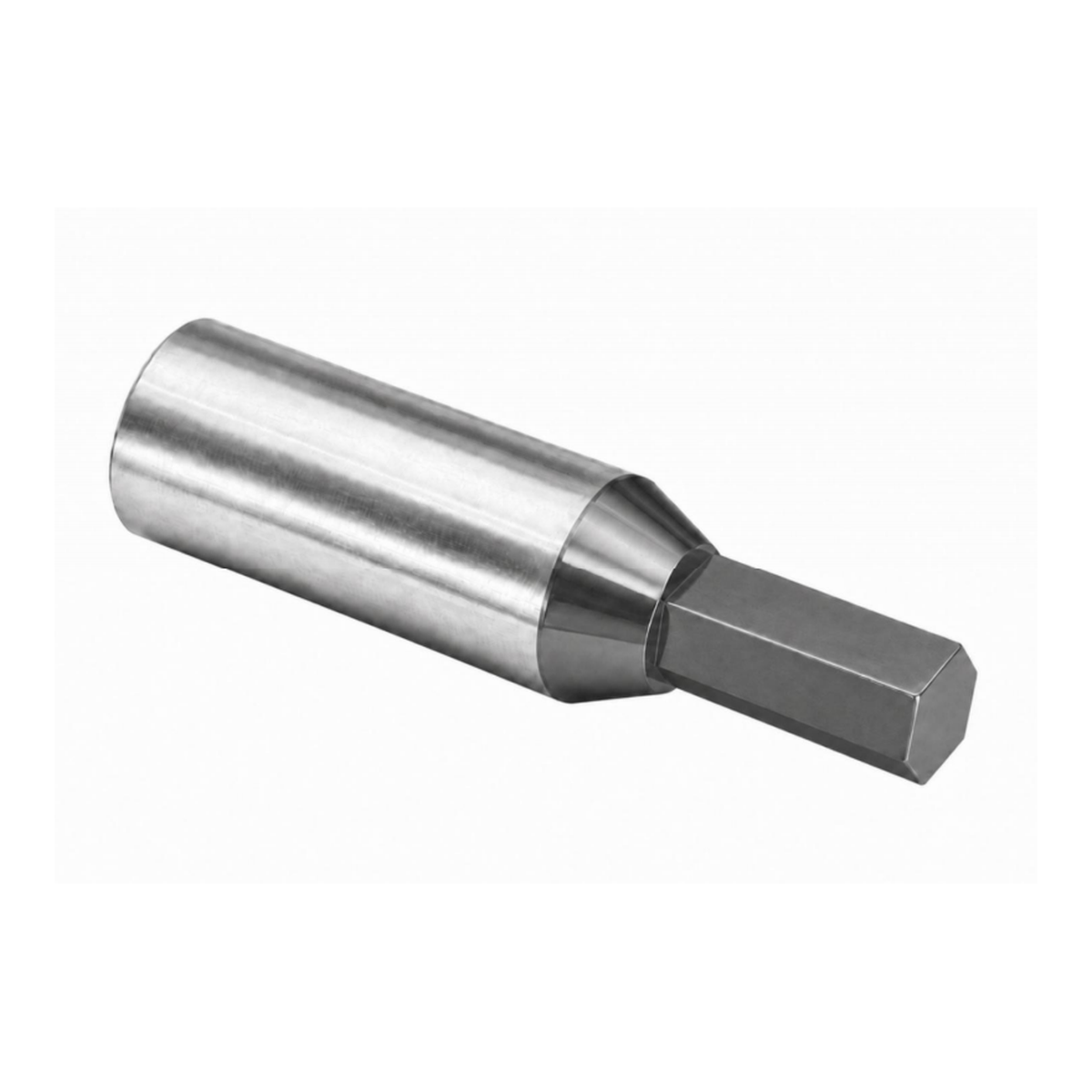
Hexagonal Rotary Broaches
Standard AF sizes from 0.93 to 10.1 mm for precision internal hex profiles.
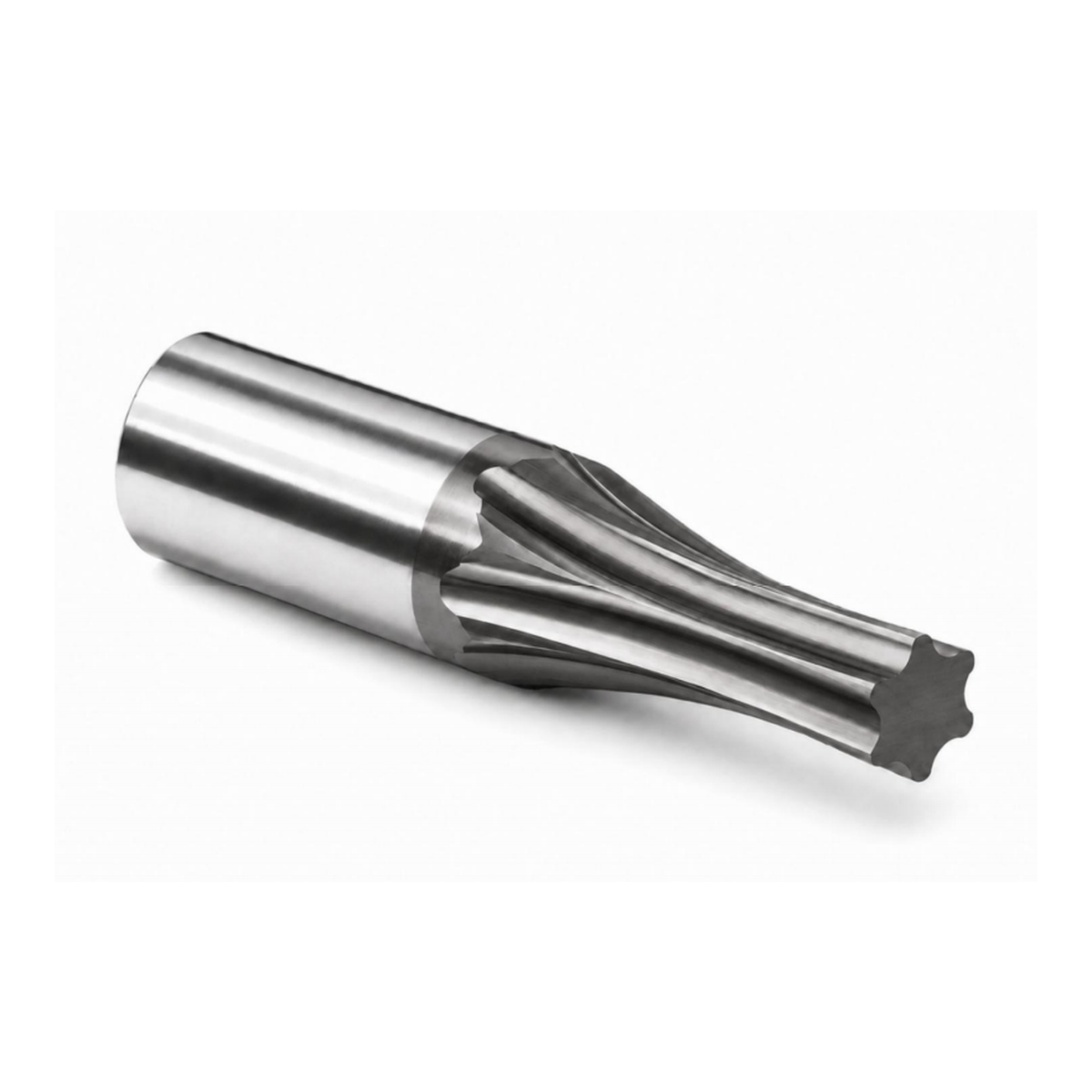
Torx (Star) Rotary Broaches
T4–T50 six-lobe tools for accurate internal star-shaped drive profiles.
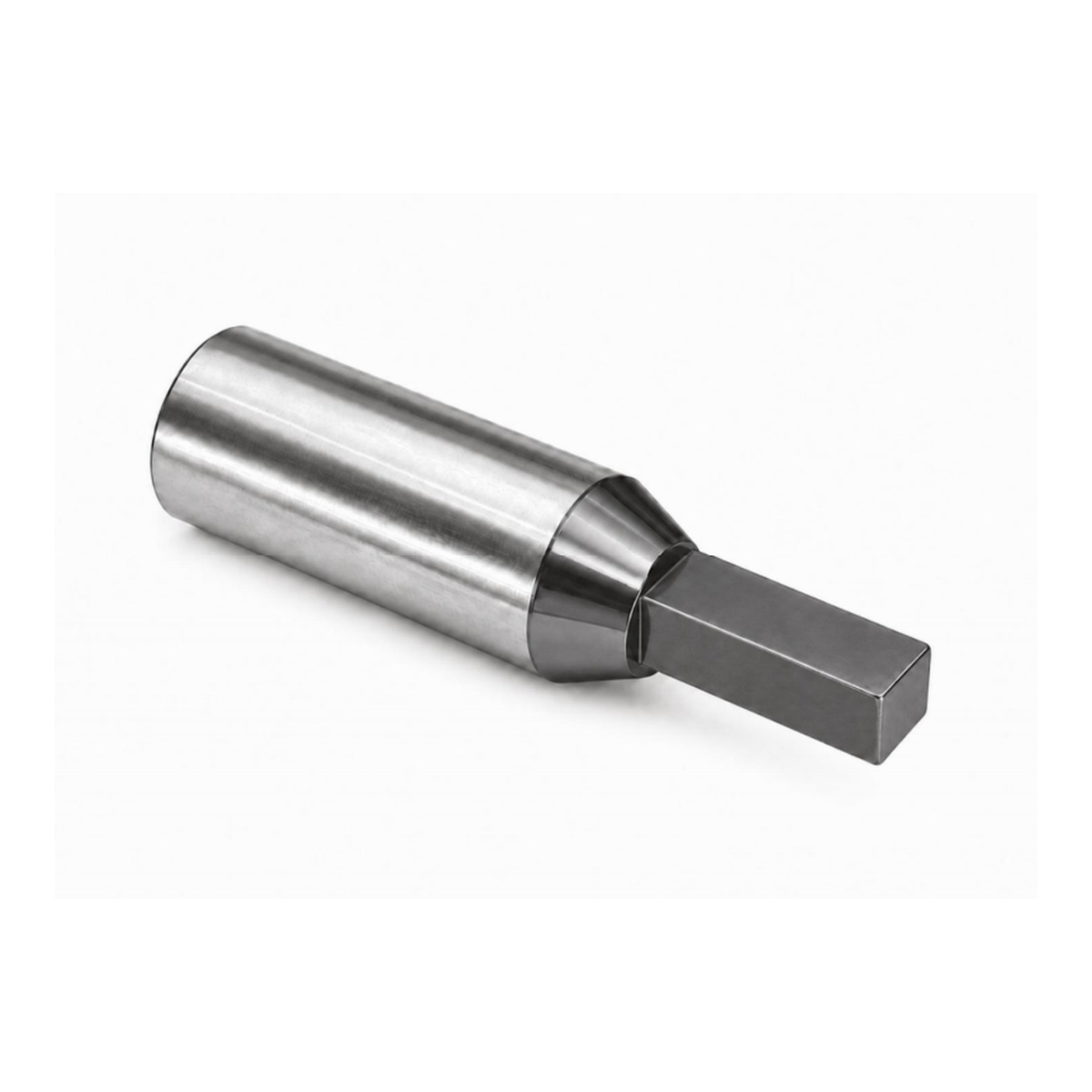
Square Rotary Broaches
Made-to-order square profiles from 1.0 to 10.0 mm for CNC and Swiss-type lathes.
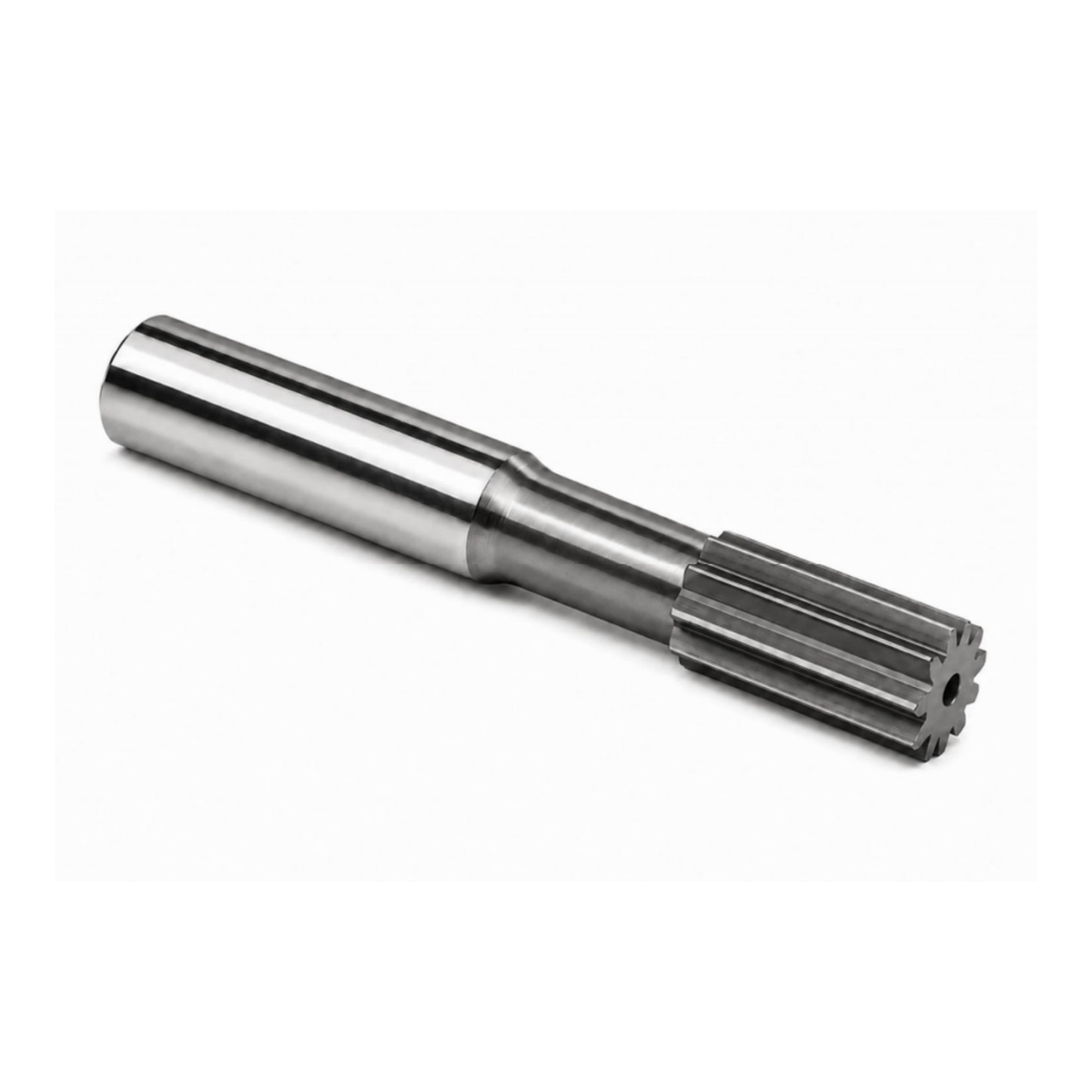
Custom Rotary Broaches
Splines, serrations, multi-lobe forms and special internal profiles made to drawing.
Rotary Broach Materials & Application Guide
PRONIXT rotary broaches are designed for producing hexagonal, Torx, square and custom internal profiles on Swiss-type lathes and CNC lathes. Standard tools are manufactured from ASP23 PM-HSS and supplied with TiCN coating for a practical balance of edge strength, wear resistance and repeatable machining performance.
ASP23 Powder Metallurgy High-Speed Steel
ASP23 PM-HSS combines a fine, uniform structure with high wear resistance and toughness, helping the cutting profile withstand repeated loads during internal rotary broaching. Tool material, coating and geometry can also be evaluated for custom applications.
Applicable Work Materials
Tool selection depends on profile size, broaching depth, workpiece hardness and machining conditions. Hardened steels, titanium alloys and other demanding materials require application review before quotation.
Tolerance & Precision
Coating Options
TiCN — Standard Stock Coating
Blackish PVD coating used on standard tools for improved wear
protection in precision rotary broaching applications.
TiN — Custom Coating Option
Gold PVD coating available upon request for selected materials
and made-to-order applications.
Coating selection can be reviewed according to the workpiece material, profile geometry and machining conditions.
Rotary Broaching Application Guidelines
Need Help Selecting or Customizing a Rotary Broach?
Send the required profile, AF or Torx size, broaching depth, workpiece material, machine model and quantity. We can review standard sizes, special profiles and made-to-drawing requirements.